
During normal weather conditions the drainage system may appear to be operating well. However, a rainy day may reveal flaws in the structure of the property. Parking lots overflow, detention ponds droop too quickly access roads become dangerous and low-lying areas begin collecting water with no place to go. The issue in a lot of cases is not simply rain. It is that the site does not have the proper system in place to move stormwater effectively when gravity alone is not enough.
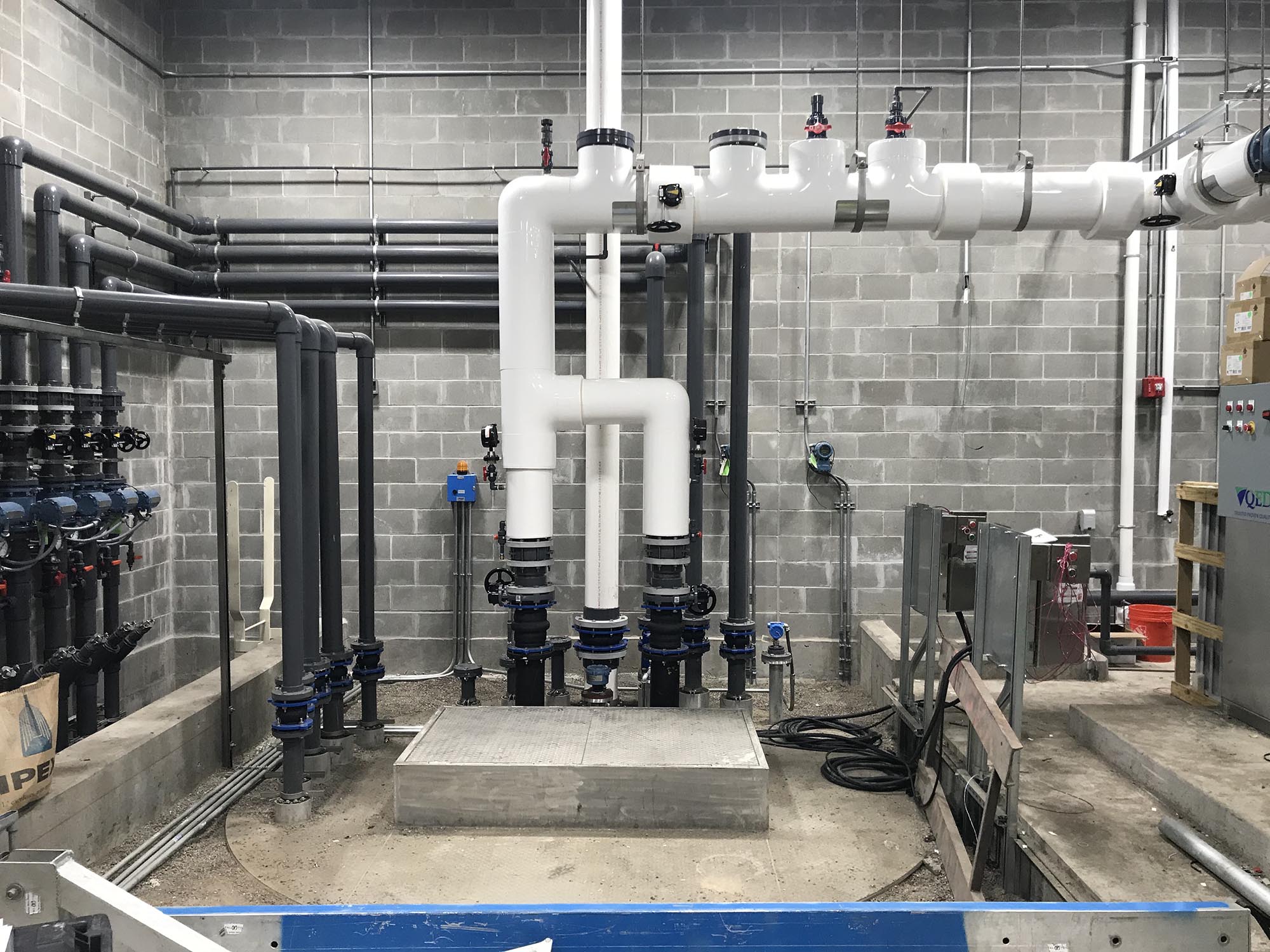
A stormwater lift station becomes essential. These systems collect and pump away the stormwater that has accumulated in areas where it naturally accumulates. They help protect roads, building and utilities, as well as outdoor spaces. Lift stations are the most important element of any kind of project, whether it’s industrial, municipal, commercial or residential. They’re also essential to keep a place operational during and after storms.
Stormwater management must be designed around the actual site
Each property is able to deal with runoff in different ways. Retail centers with huge paved parking areas behaves differently from residential subdivisions. None of these properties will require the same attention of an industrial site or a municipal drainage project would. Rates of flow, elevations on the site, detention needs, and discharge requirements all influence the way a stormwater management system should be designed.
Romtec Utilities does not approach stormwater pumping in a standard package. The system’s design is based on the unique pumping requirements of the particular site. It may be used to reduce flooding, drain a pond or pool, manage runoff from an developed property and support a bigger municipal network or support a larger municipal network. The most appropriate solution is based on how much water is needed to be transported as well as the speed at which it has to move and where.
The stormwater pump station is much more than just a pump that can be found in a vault
A reliable stormwater runoff pump station requires far more than just high-powered machinery. It functions as an integrated system of structural, electrical, mechanical, and control components seamlessly to handle stormwater volumes effectively and in a consistent manner. To ensure that the station functions optimally throughout its lifetime important factors like the precise sizing of pumps (including the design of wet wells) advanced controls sturdy pipes, robust power systems, and a real-time monitor must all work together.
The complete integration of systems makes the best stromwater systems design firms stand out. The best designs do not only address an immediate drainage issue, they adopt the long-term and proactive approach. Top-tier engineering actively factors in the ease of maintenance in the long term and future demands for the site, and peak operating efficiency. The entire system must be constructed to withstand the harsh conditions in the real world and not rely on untrue assumptions.
Planning is essential, regardless of whether you’re dealing with torrential floodwaters, or developing municipal systems at high pressure, like booster pump stations for drinking water purification, where failure isn’t an alternative. Romtec Utilities designs stormwater systems keeping these practical requirements in mind. The pump stations created by Romtec Utilities can be used to a variety of uses. Owners also gain of assistance during the initial phase, training for staff as well as documentation.
Better planning creates better flood protection
A stormwater pump station well-designed can lower risk of flooding, improve accessibility, and also protect the areas around it from water destruction. It can also make a place more resilient, as it ensures that water runoff is handled efficiently and quickly when it rains heavily.
Stormwater infrastructure is easy to ignore until it breaks down. If runoff needs to be effectively managed, a solid stormwater lifting station is a must for any developer, property owner, or municipality. Stormwater management techniques can make the site more secure and functional. They can also assist it to be better equipped to deal with the changing weather conditions.