
Connected devices are a crucial component of modern businesses. They gather data, automate procedures, and enable smart operations. It can be difficult managing a growing fleet in multiple locations. Operating devices require constant attention, expertise in technology and security compliance. This is a requirement for software updates as well as system monitoring and performance optimization. Managed services that are structured can simplify the process.
Companies often start looking for Raspberry devices management software at no cost alternatives to lower the initial cost. While these tools are able to provide basic monitoring as well as remote access, they do not provide the level of lifecycle management needed for enterprise-level deployments. With the growth of device networks, businesses need more than dashboards and manual control. They require a fully integrated ecosystem which provides provisioning and security in addition to performance monitoring and compliance reporting.
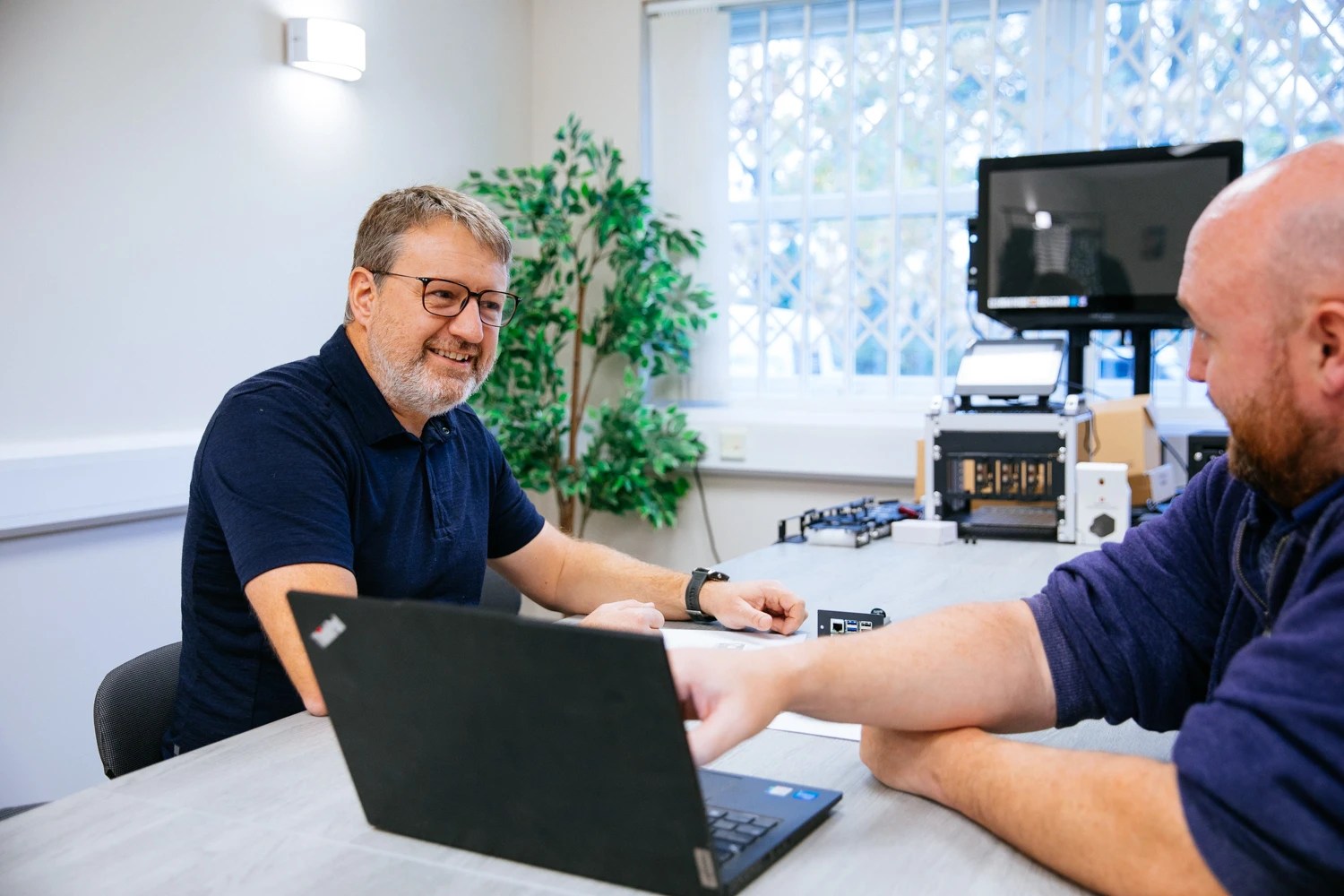
An infrastructure that is effectively managed takes the stress of running day-to-day tasks off of internal teams. The business can focus on advancing their business and growing instead of patching, troubleshooting and responding to outages. A single framework is used to manage, configure, and maintain every device, ensuring consistency and reliability. This model of operation is not only a way to reduce downtime but also protects against security issues that commonly arise from neglected updates or incorrect configurations.
A Partnership Model that is Scalable
IoT ecosystems that have been successful are rarely built in isolation. They require strategic planning and intelligent architecture. Working with an experienced Raspberry Pi design partner ensures that hardware selection, system architecture, and software environments are aligned with operational goals from the very beginning. Instead of treating deployment as an one-time task this partnership builds an adaptable foundation that expands as the company grows.
Each managed service arrangement is adapted to the client’s environment and covers hardware integration, device management platforms, as well as technical support in a single operational agreement. This unification process eliminates the fragmentation of providers and streamlines communication. The business owners now have designated technical contacts, clearly defined service level agreements, and clear reports that keep everyone well-informed.
Provisioning and configuration processes are made standard to ensure that devices are uniform across various locations. Prior to deployment, each unit is assembled and tested. It is then enrolling to ensure that it performs as expected. Continuous telemetry gives engineers in-depth information about the health of the device and stability. This allows them to avoid system failures and spot anomalies before they become serious.
Continuous Excellence in Operations Through Continuous Management
The most important factor to ensure stable IoT environment is proactive maintenance rather than reactive troubleshooting. Updates and patches are controlled to ensure that operating systems and applications remain secure and stable. Updates are thoroughly tested prior to deployment to avoid disruptions and keeping uptime on distributed networks.
The operational workflows are designed to satisfy compliance requirements. The reporting mechanisms are in line with regulations. This structured oversight decreases the stress of audits and improves cybersecurity posture.
Managed services are especially effective when they are able to incorporate lifecycle optimization and performance optimization. Regular system inspections identify potential for hardware upgrades, energy efficiency improvements, and the balancing of workloads. Instead of waiting for devices to fail or become outdated, infrastructure evolves strategically alongside organizational growth.
Cloud and Edge Technologies seamlessly integrated
Modern deployments typically require strict integration between the devices at the edge and cloud ecosystems. Expert Azure consulting will help businesses connect devices securely with cloud platforms, and also optimize the data pipelines, workflows analytics, and automation. This synergy of physical infrastructure and cloud-based intelligence enables smarter decisions and improved operational efficiency.
Professional IoT Consulting also ensures that data management, monitoring platforms, and security protocols are working together. Engineers supervise system performance round 24/7, addressing issues before they affect operations. The ability to scale support options allows companies to expand in confidence, knowing the technical know-how of engineers will grow along with the device fleet.
Simply put, the purpose is to make sophisticated edge systems feel effortless. Scaler PI makes advanced edge technology more accessible by combining practical hardware knowledge with modern cloud innovation making it a simpler environment where data, devices and operations can work seamlessly.
A Better Method to Manage Device Infrastructure
Managed services offer a single point for accountability for design, hardware and monitoring. Predictable pricing models eliminate budgeting surprise, while constant monitoring and automatic updates limit operational risk. Businesses have peace of mind knowing that their infrastructure is secure as well as compliant and working at its highest level.
As IoT ecosystems expand, the need for reliable operational frameworks is becoming crucial. A managed service can ensure that networks for devices are safe, efficient and up-to-date. This allows organizations to develop new ideas, and not be restricted by infrastructure management.